



Sucursales a tu alcance
Encuentra atención dental cerca de ti, con cobertura en distintas zonas de CDMX.

Wisdom teeth can remain in the mouth when they are healthy, have space, and maintain a proper position. When they are impacted, erupt partially, or cause pain, inflammation, or recurrent infections, a specialist must assess whether to monitor them or perform an extraction. At La Clínica Dental Lindavista, in Lindavista, Gustavo A. Madero, CDMX, we evaluate each case with DCD (Completely Digital Diagnosis) and imaging studies when indicated, to define an individual surgical plan and clearly explain the procedure, care, and follow-up.

At La Clínica Dental Lindavista – Red Dental Premium, we integrate clinical evaluation, digital diagnosis, and collaboration across specialties to review maxillofacial surgery procedures and their relationship to overall dental health. Our team explains the alternatives, possible risks, and care for each case before making a treatment decision.
Do you think it would be possible to extract all four third molars in under 30 min? At La Clínica Dental Lindavista, yes, because we have the best specialists in the area—so don’t put it off any longer and book your evaluation and come visit us!

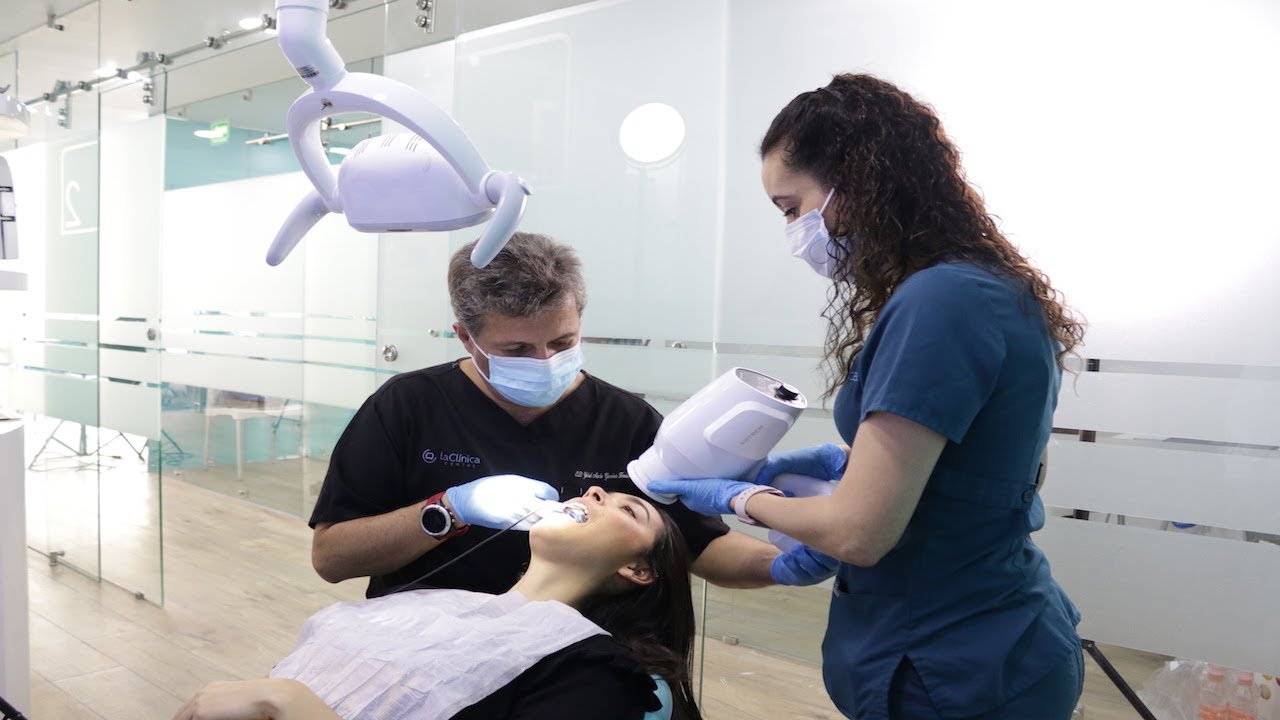

La Clínica Dental Lindavista pertenece a la red dental La Clínica Dental - Red Dental Premium, en México que combina diagnóstico 3D, escaneo intraoral, cirugía guiada y especialistas multidisciplinarios para planear tratamientos más precisos, cómodos y predecibles en implantes, estética dental y rehabilitación oral.
Encuentra atención dental cerca de ti, con cobertura en distintas zonas de CDMX.

Flexibilidad de pagos, elige la alternativa que mejor se adapte a tu presupuesto y tratamiento.

Utilizamos tomografía 3D, escáner intraoral y planificación digital para diagnosticar con mayor precisión, reducir molestias y planear tratamientos más seguros y predecibles.

Nuestro equipo te acompaña con atención profesional, clara y humana en cada visita.
Fill out the form below, make your inquiry, how you wish to be contacted and we will contact you during our business hours.
 ¡Agenda tu cita!

