



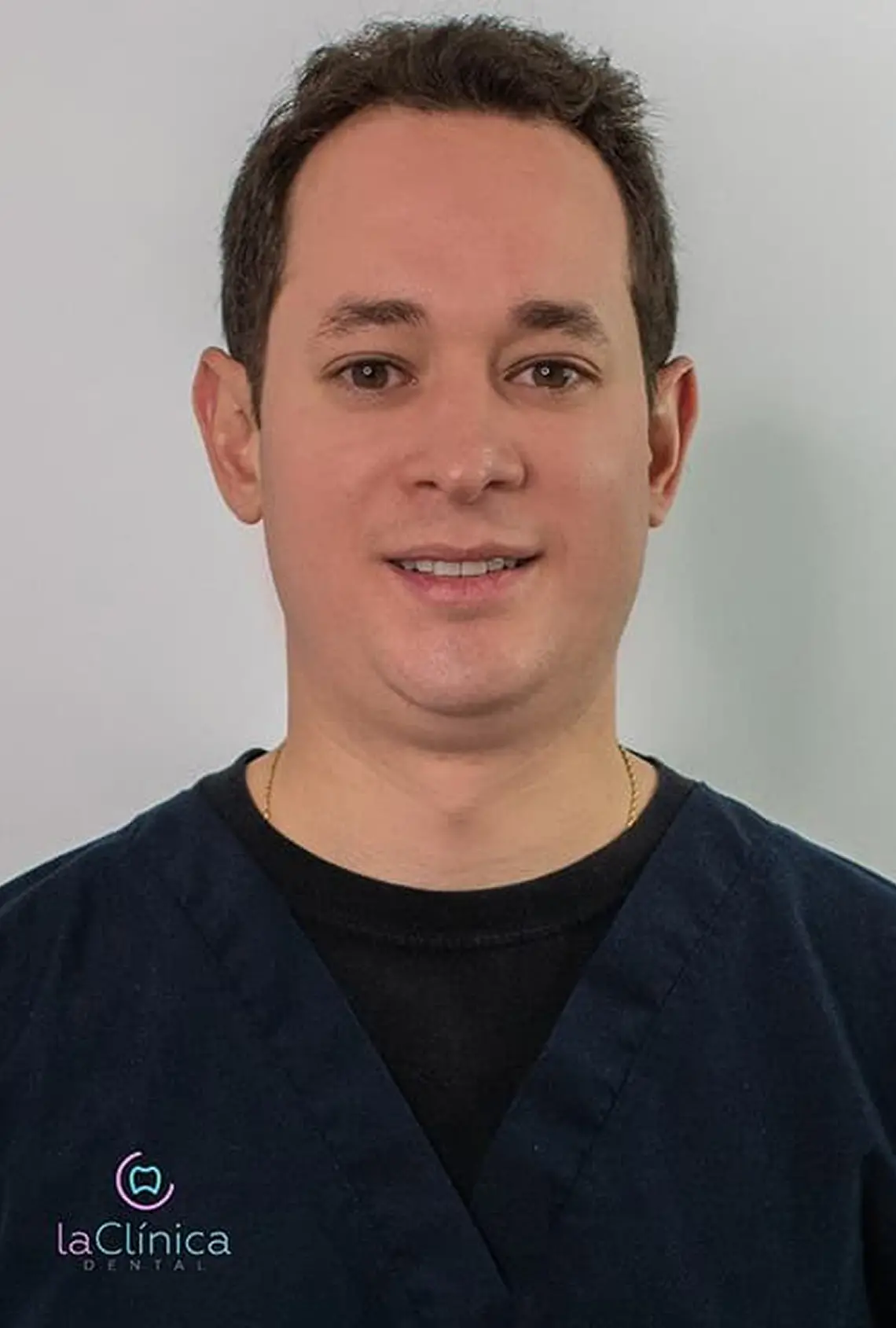
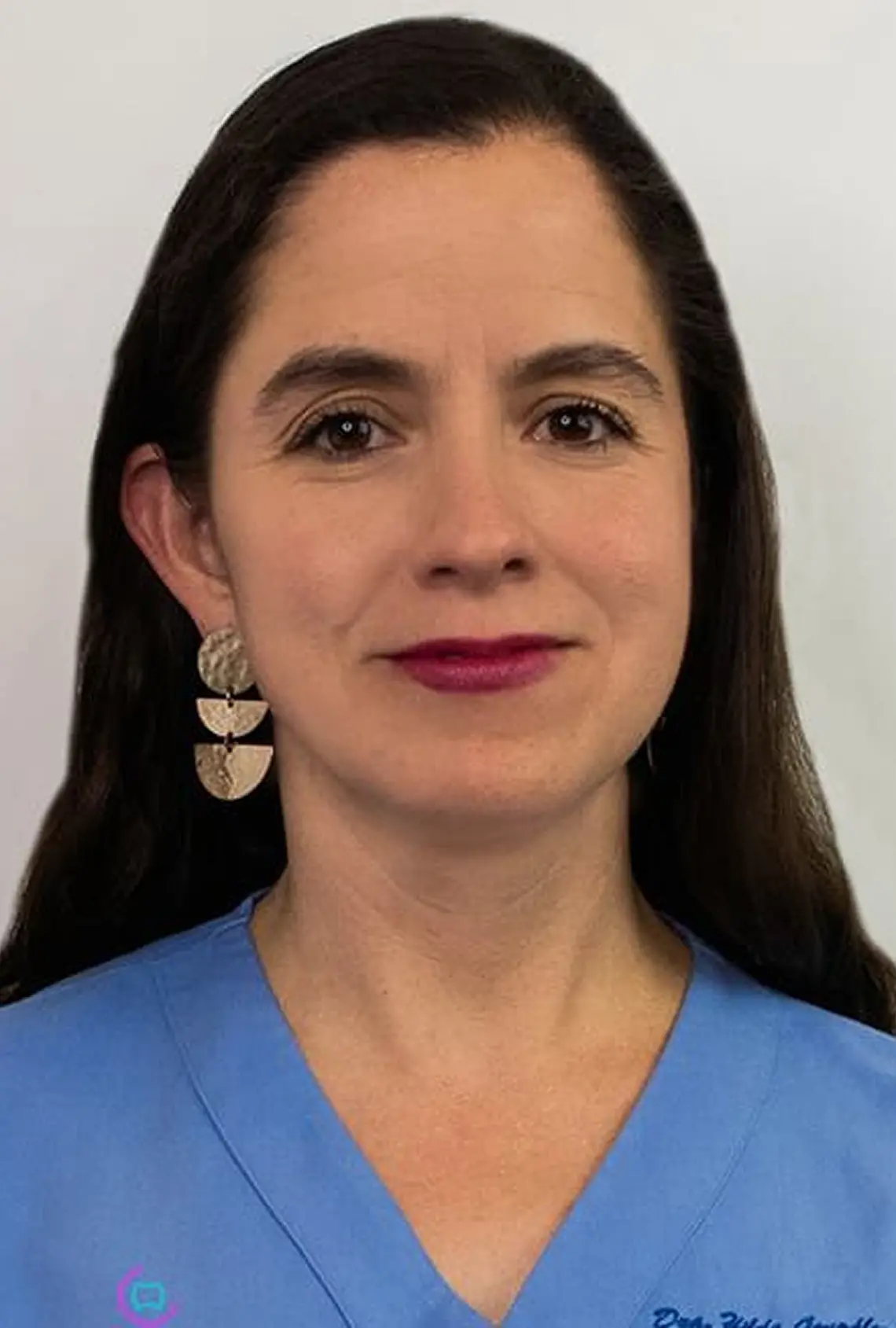
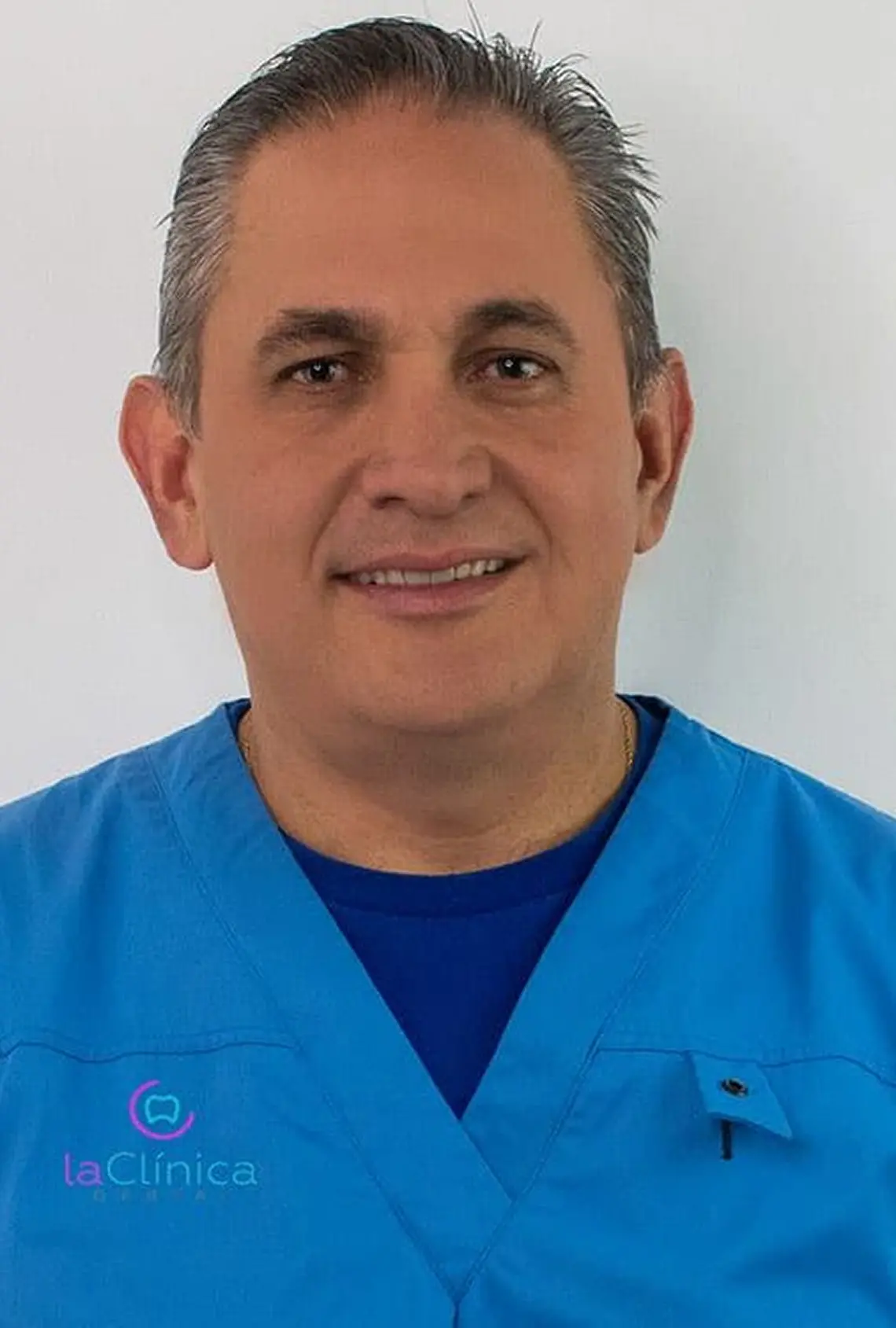

Sucursales a tu alcance
Encuentra atención dental cerca de ti, con cobertura en distintas zonas de CDMX.

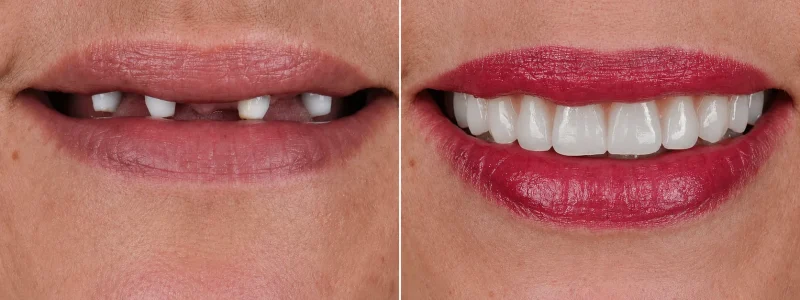
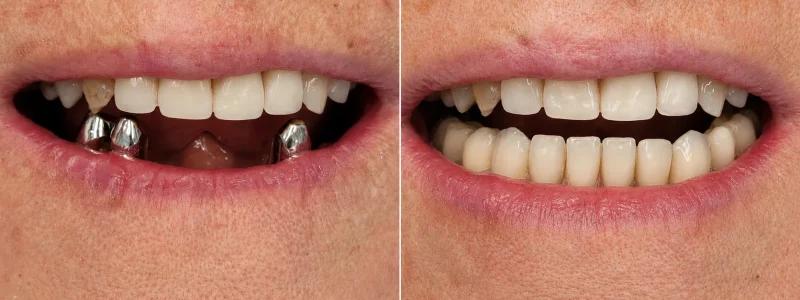
At La Clínica Dental Lindavista, dental implant treatments are planned using 3D digital diagnostics, CBCT scans, and computer-guided surgery to restore everything from a single tooth to complex cases of complete tooth loss with All-on-4 protocols and full-mouth rehabilitation.
At La Clínica Dental Lindavista, located in Lindavista, Gustavo A. Madero, Mexico City. We have dental implant specialists who follow the latest global standards: they evaluate your case individually, analyze bone quantity and quality, and design a tailored plan to replace missing teeth with titanium implants that integrate with the bone and support crowns, bridges, or dentures. Procedures are performed by a specialized team—including Oral and Maxillofacial Surgery—under strict biosecurity standards, aiming for long-lasting, safe results and a chewing feel very close to that of a natural tooth.
In addition, we offer dental tourism services in CDMX, facilitating the planning of times and visits for patients traveling from abroad. Schedule your consultation to learn about your options and receive your personalized treatment plan.

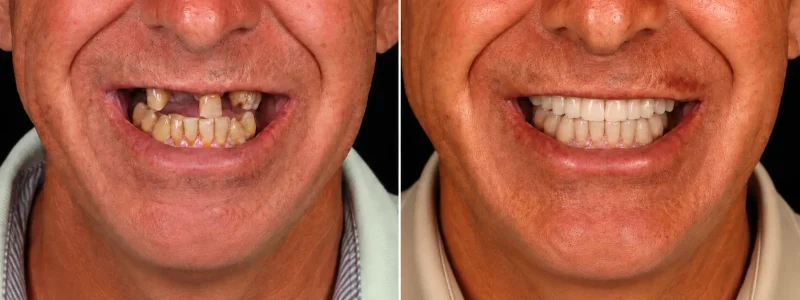
Dental implants are titanium screws that are surgically placed in the jawbone, under the gum, in order to recover lost teeth, or to give additional support to removable prostheses.
At La Clínica Dental Lindavista, we have the best specialists in Dental Implants and Maxillofacial Surgery to perform any implant surgery, adhering to the highest biosecurity standards and using the best materials.
With the help of dental implants we can support: dental prostheses, crowns, bridges, over dentures, facial prostheses or even orthodontic anchorages.
Comparison:
| Options | Advantages | Considerations |
|---|---|---|
| Removable prosthesis | Lower initial investment | Less stability and comfort |
| All-on-4 and All-on-6 Implants | Greater functional stability | Requires digital diagnosis and surgery |
| Single implants | Individual preservation | Depends on bone condition |


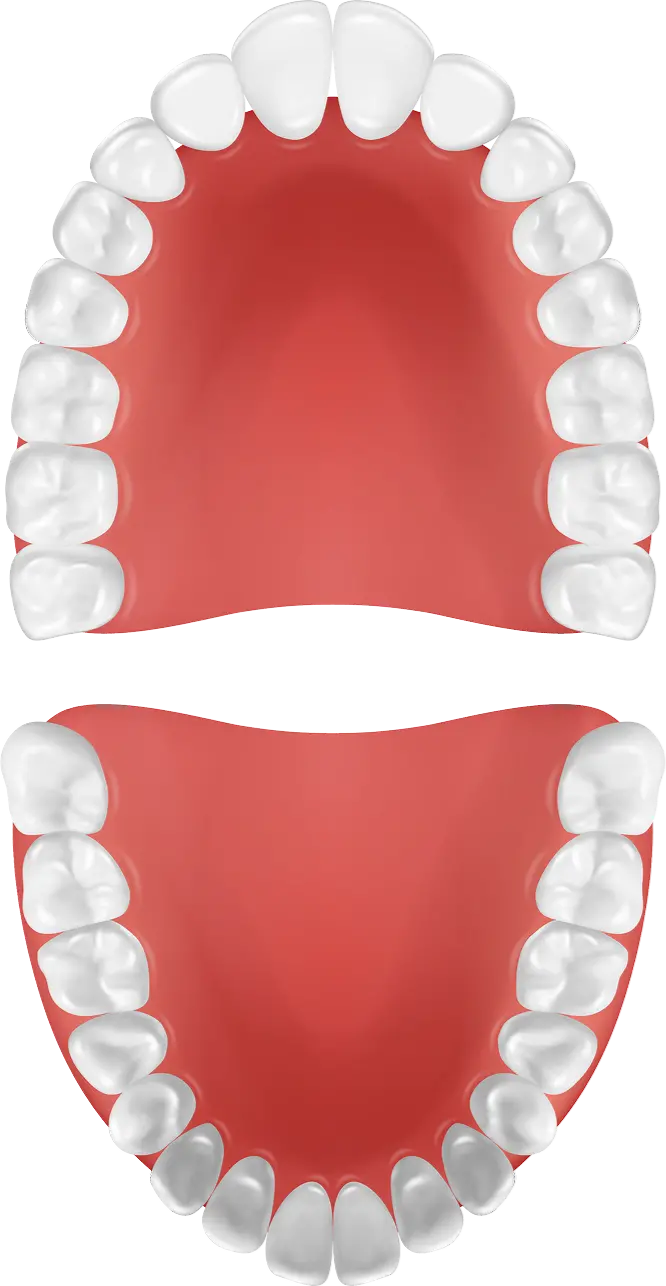

The Dental Clinic stands out for its focus on digital dentistry and state-of-the-art technology, which allows for more accurate diagnoses and less invasive treatments.
The price of dental implants may vary according to the clinical case of each patient. Factors such as the number of teeth to be replaced, the condition of the bone, the health of the gums, the type of prosthesis, the need for bone grafts or sinus lift can modify the final cost of the treatment.
The following table shows reference prices for dental implants and related procedures at La Clínica Dental. These values help you plan your treatment, but are not a substitute for a professional evaluation. To receive an accurate quotation, it is necessary to perform a dental diagnosis, review imaging studies and define which solution is the most appropriate for your health, function and esthetics.
| Procedure | Reference Price | Price at The Dental Clinic | Estimated duration |
|---|---|---|---|
| Large bone graft | USD 2,000 | USD 1,350 | 1 day |
| Small bone graft | USD 1,500 | USD 1,300 | 1 day |
| Implant supported removable overdenture, with 2 implants | USD 6,900 | USD 5,900 | 1 day for surgery; after 4 to 5 months, 5 to 10 days prosthetic procedure |
| Implant supported removable overdenture, with 4 implants | USD 12,300 | USD 8,800 | 1 day for surgery; after 4 to 5 months, 5 to 10 days prosthetic procedure |
| Implant supported removable overdenture, with 6 implants | USD 17,700 | USD 10,850 | 1 day for surgery; after 4 to 5 months, 5 to 10 days prosthetic procedure |
| Implant-supported removable overdenture, with 8 implants | USD 23,000 | USD 12,550 | 1 day for surgery; after 4 to 5 months, 5 to 10 days prosthetic procedure |
| Implant-supported full-arch porcelain bridge with 4 implants | USD 24,000 | USD 17,150 | 1 day for surgery; after 4 to 5 months, 5 to 10 days prosthetic procedure |
| Implant-supported full-arch porcelain bridge with 6 implants | USD 28,000 | USD 19,600 | 1 day for surgery; after 4 to 5 months, 5 to 10 days prosthetic procedure |
| Implant-supported full-arch porcelain bridge with 8 implants | USD 32,000 | USD 21,400 | 1 day for surgery; after 4 to 5 months, 5 to 10 days prosthetic procedure |
| Mini dental implant | USD 1,100 | USD 325 | 3 to 5 days |
| Maxillary sinus lift | USD 4,000 | USD 1,770 | 3 days |
| Titanium dental implant, including abutment and standard crown | USD 3,900 | 2,200 USD | 1 day for surgery; after 4 to 5 months, 5 to 10 day prosthetic procedure |


Most adult patients can be candidates, but the correct indication is defined with a clinical evaluation and studies. In that appointment we review the state of the gums, the quantity and quality of the bone, the bite (occlusion) and habits that influence the success of the implant.
For example, if you are not a candidate today, we can often prepare you with a previous plan:
The final decision is always made with a complete diagnosis and clear objectives (function, esthetics and long-term stability).
Studies depend on the case, but usually include clinical evaluation and radiographs. In many patients CBCT is indicated because it provides a 3D view of the bone and sensitive anatomical areas (nerves, maxillary sinuses), which allows for more accurate planning.
In practice, the protocol usually considers:
These data are used to define the ideal implant position and the type of restoration (crown, bridge or full arch).
The treatment is organized in stages so that you have clarity of time, objectives and deliverables. Although each case is different, the most common flow is:
The number of appointments varies according to your diagnosis (bone, gums, number of teeth to be replaced, type of prosthesis and habits such as bruxism).
There is no one-size-fits-all time. The duration depends on the complexity of the case and whether prior preparation is required (e.g. periodontal treatment or grafting). It also influences whether it is:
In your assessment, a timetable is drawn up in stages with estimated times, number of visits and alternatives according to your priorities (function, aesthetics and logistics).
CBCT (3D tomography) improves planning because it allows the bone volume and anatomy to be seen in more detail than a 2D radiograph. This helps to make safer and more predictable decisions, especially in posterior areas or extensive treatments.
With CBCT we can:
In short: it reduces uncertainty, improves planning and makes it easier to decide the best clinical path.
Guided surgery is a technique that, supported by digital planning (often with CBCT), seeks to place the implant with high precision, aligning the surgical part with the prosthetic result (crown/prosthesis).
It is usually considered especially useful when:
The indication depends on your case: it is not always necessary, but it can provide predictability in specific treatments.
The ideal option depends on how many teeth are missing, how your bite is and what result you are looking for (functional and esthetic). In general, these alternatives are considered:
In the assessment, the state of the gums, bone and habits are reviewed, and a plan with stages and alternatives is presented.
All-on-4/All-on-X is a full-arch rehabilitation approach (upper, lower or both) with an implant-supported prosthesis. It is intended for patients with extensive tooth loss or removable prostheses that are no longer comfortable or stable.
The indication depends on:
In consultation we define if this approach is the most convenient or if there are more suitable alternatives for your case.
The cost does not depend only on the implant itself, but on the complete plan: diagnosis, surgery, final prosthesis and maintenance. Therefore, the best thing to do is to quote after evaluating your case.
Most frequently influencing variables:
The ideal is a staged budget with options for you to choose the best value for money according to your priorities.
We accept different forms of payment so you can choose the most convenient option according to your case and your treatment plan. The available forms may vary, but usually include:
In your assessment we will confirm the current options and help you organize the payment in stages (diagnosis, surgery and final rehabilitation).
In many cases it is possible to access card promotions (for example, interest-free months) or financing options, depending on the treatment, the amount and the conditions in force.
To give you an exact answer, we first define the clinical plan (number of implants, type of prosthesis, need for grafting, etc.). Then we present you:
This way you choose the option with the best balance between cost, value and clinical predictability.
Yes, in fact, it is the most common way to organize an implant treatment because you work in clinical phases. This allows you to better plan your investment and move forward with clarity.
A typical staging scheme might include:
In your consultation we will provide you with a plan with costs per phase so that you can decide with transparency.
The differences usually lie in the level of diagnosis/planning, team experience, prosthetic materials and components, and follow-up. A well-planned plan reduces retreatments and improves stability.
When comparing, it is advisable to ask about:
Rather than “price”, the focus should be on overall value and predictability of outcome.
Implant placement is performed under local anesthesia. After the procedure it is normal to have discomfort that is usually controlled with postoperative indications, medication if required and follow-up.
If you are anxious, please comment on your assessment. We can tailor the experience to make you feel more comfortable, for example:
The objective is for you to have a safe, controlled and accompanied process.
Postoperative care has a great influence on good healing. Although the exact indications depend on the case, it is usually recommended:
It is also important to let us know if you notice severe pain, worsening swelling or any other symptoms that concern you, so that we can check you promptly.
Not all patients require grafting. If bone is missing, there are different strategies that are evaluated according to the tomography (CBCT), the area and the type of rehabilitation.
Options that may be considered (depending on the diagnosis):
The decision is made with 3D planning and clear functional/aesthetic objectives.
With good hygiene, regular check-ups and professional maintenance, implants can last for many years. Long-term success depends on taking care of gums and the prosthesis (crown/bridge) as well or even better than a natural tooth.
Usual recommendations:
Maintenance is part of the treatment: it protects your investment and reduces complications.
If you already have implants, a revision allows you to evaluate gums, bone, condition of screws/components and wear of the crown or prosthesis. Many discomfort or “movements” are due to prosthetic adjustments or pending maintenance.
In a review it is normally evaluated:
Ideally, do not wait for pain or loosening: preventive maintenance is the best strategy.
Yes, in many cases you can travel to Lindavista, Gustavo A. Madero, Mexico City, Mexico, undergo evaluation, studies (such as CBCT), and implant placement, and return to your country in the same week. The most important thing is to correctly plan the timing and type of rehabilitation.
Treatment is organized for:
In Lindavista, Gustavo A. Madero, Mexico City, Mexico, the most common and safest approach is to place the implant and, if the case allows, use a provisional prosthesis (temporary) while the implant integrates with the bone (osseointegration). The definitive crown is placed later, once the implant is stable and integrated.
So, if your goal is to travel for a week, normally the recommended plan is:
This reduces risks and improves the predictability of the long-term outcome.
The provisional prosthesis is a temporary restoration designed to give you esthetics and basic function while the implant integrates with the bone. It is especially useful for patients who travel and need to “leave with teeth” during their stay.
Its main function is:
The provisional does not replace the final crown: the final crown is placed when there is integration and stability.
Planning begins with a pre-evaluation and then an in-person assessment in the State of Mexico. The goal is to optimize your schedule without sacrificing clinical safety.
We normally consider:
This allows the foreign patient to have clarity of dates, visits and expectations from the beginning.
To move faster, the ideal is to send your available dental information before the trip. With that you can estimate the complexity, time and options.
We recommend sending (if you have it):
With this information it is easier to define whether you can leave with provisional and plan the timing of the final crown.
It depends on the number of implants, if grafting/regeneration is required and if we plan a provisional prosthesis. In general, we seek to optimize your schedule to concentrate assessment, studies (CBCT if applicable) and surgery in a few days when clinically feasible.
To plan it accurately, we consider:
With your previous information (x-ray/CBCT) we can suggest a realistic itinerary before you travel.
The final crown is placed when the implant is integrated and stable. If you are unable to return soon, we can help you plan the next phase well in advance so that the provisional will be with you for the time indicated and so that the transition to the definitive one is made at the right time.
In your phased plan we define:
The objective is to maintain stability and protect the result until the final phase.
In many cases it is possible to travel after the procedure, as long as you follow the postoperative indications and have a follow-up plan. Before your departure we check the area, confirm that everything is evolving correctly and give you clear recommendations.
To travel with greater peace of mind, we normally indicate:
Each patient is different; therefore the final indication depends on your diagnosis and the type of procedure performed.
The first assessment aims to define a complete diagnosis and a realistic plan in stages, with times and alternatives. It usually includes clinical examination and, depending on the case, imaging studies such as X-rays and/or CBCT.
In that appointment is reviewed:
With this you can make an informed decision before you start.
La Clínica Dental Lindavista pertenece a la red dental La Clínica Dental - Red Dental Premium, en México que combina diagnóstico 3D, escaneo intraoral, cirugía guiada y especialistas multidisciplinarios para planear tratamientos más precisos, cómodos y predecibles en implantes, estética dental y rehabilitación oral.
Encuentra atención dental cerca de ti, con cobertura en distintas zonas de CDMX.

Flexibilidad de pagos, elige la alternativa que mejor se adapte a tu presupuesto y tratamiento.
Utilizamos tomografía 3D, escáner intraoral y planificación digital para diagnosticar con mayor precisión, reducir molestias y planear tratamientos más seguros y predecibles.

Nuestro equipo te acompaña con atención profesional, clara y humana en cada visita.
Fill out the form below, make your inquiry, how you wish to be contacted and we will contact you during our business hours.
 ¡Agenda tu cita!

