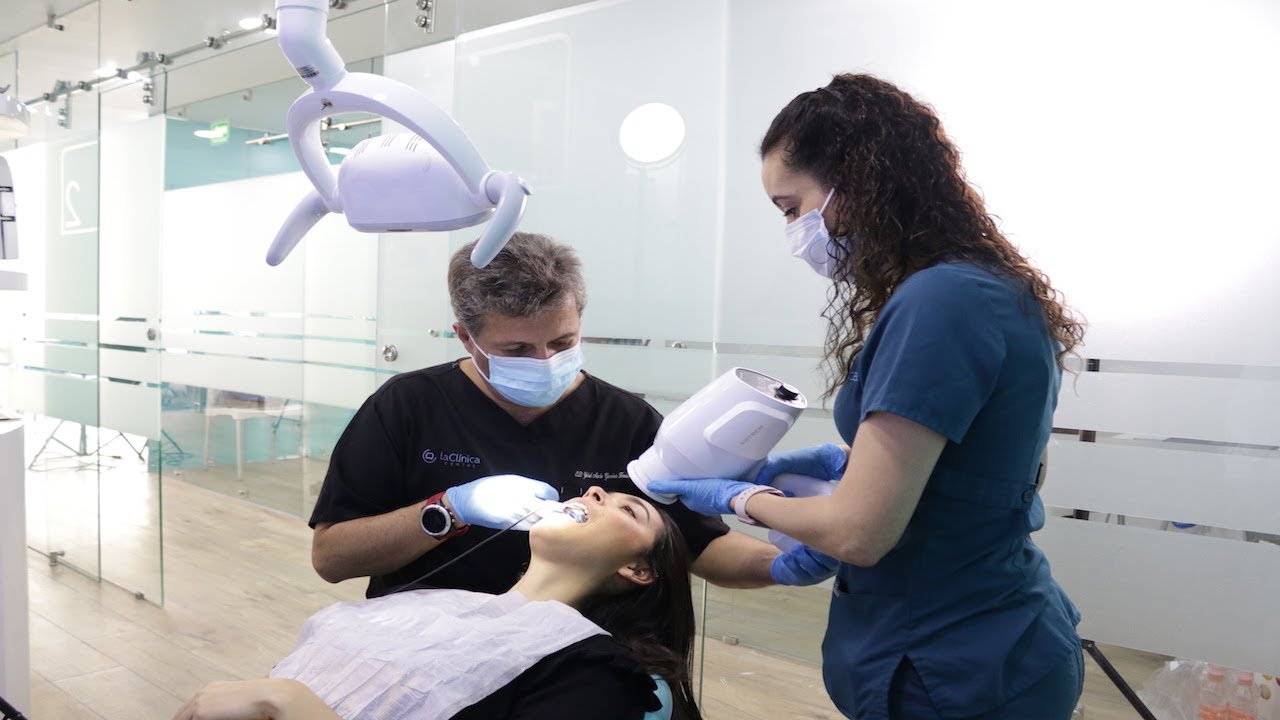
Understanding Endodontics
Endodontics is a specialized branch of dentistry that focuses on the diagnosis and treatment of dental pulp and the tissues surrounding the roots of a tooth. This field is essential for preserving natural teeth and alleviating pain caused by infections or injuries to the dental pulp.
Common procedures within endodontics include root canal therapy, which involves removing infected or damaged pulp, cleaning and disinfecting the canals, and sealing them to prevent further infection. Understanding these procedures can help patients make informed decisions about their dental health.
Symptoms Indicating Endodontic Treatment
Recognizing the symptoms that may necessitate endodontic treatment is crucial for timely intervention. Common signs include persistent toothache, sensitivity to hot or cold temperatures, discoloration of the tooth, and swelling or tenderness in the gums.
If you experience any of these symptoms, it is essential to consult a dental professional as soon as possible. Early diagnosis and treatment can prevent further complications and may save your tooth from extraction.
The Benefits of Root Canal Treatment
Root canal treatment offers numerous benefits, including pain relief, saving the natural tooth, and preventing the spread of infection to surrounding teeth. By addressing the issue promptly, patients can maintain their dental function and aesthetics.
Moreover, root canal procedures have a high success rate and can extend the life of a tooth for many years, allowing patients to enjoy their natural smiles without the need for more invasive procedures like extractions or implants.
Aftercare and Recovery Post-Endodontic Treatment
Post-treatment care is vital for ensuring a smooth recovery after endodontic procedures. Patients may experience some discomfort or sensitivity for a few days, which can be managed with over-the-counter pain relievers and following the dentist's aftercare instructions.
Maintaining good oral hygiene practices, avoiding hard foods, and attending follow-up appointments are crucial for monitoring the healing process and ensuring the success of the treatment. Adhering to these guidelines can help patients return to their normal activities quickly and effectively.